
1. The Gut Microbiome: The New Foundation of Fitness
1. The Gut Microbiome: The New Foundation of Fitness
Over the past decade, research has firmly established the gut microbiome as a central regulator of human health. Gut bacteria influence nutrient absorption, immune modulation, inflammation, metabolism, and even neurotransmitter production via the gut–brain axis (Valdes et al., 2018; BMJ).
For physically active individuals, disturbances in gut microbiota have been linked to increased inflammation, fatigue, gastrointestinal distress, and impaired recovery (Mach & Fuster-Botella, 2017; Frontiers in Physiology).
Kombucha, a fermented tea, contains organic acids, polyphenols, and live microorganisms that support a gut environment favorable to microbial diversity. While kombucha is not classified as a pharmaceutical probiotic, fermented foods as a category have shown strong associations with improved microbiome richness and reduced inflammatory markers (Wastyk et al., 2021; Cell).
So, in 2026, gut health is no longer “alternative wellness”—it is foundational fitness science.
2. Digestive Efficiency Drives Muscle Recovery and Energy Use
2. Digestive Efficiency Drives Muscle Recovery and Energy Use
Training adaptations depend on how efficiently the body digests and absorbs nutrients. Poor digestion limits amino acid uptake, mineral bioavailability, and glycogen restoration—all essential for muscle repair and performance.
Fermentation produces organic acids (acetic, lactic, gluconic) that enhance digestive efficiency and nutrient bioavailability (Marco et al., 2017; Current Opinion in Biotechnology). Kombucha also delivers tea-derived polyphenols that survive digestion and exert metabolic benefits.
Scientific relevance:
· Improved protein digestion enhances muscle protein synthesis
· Enhanced mineral absorption supports neuromuscular function
· Reduced digestive stress improves training consistency
Athletes with better digestive efficiency show improved recovery and reduced systemic fatigue (Costa et al., 2017; Sports Medicine).

3. Inflammation, Oxidative Stress, and Recovery
3. Inflammation, Oxidative Stress, and Recovery
Exercise induces oxidative stress and inflammation as part of the adaptation process. Problems arise when this inflammation becomes chronic, impairing recovery and increasing injury risk.
Kombucha contains tea polyphenols, which have demonstrated antioxidant and anti-inflammatory effects in multiple human and animal studies (Dufresne & Farnworth, 2001; Food Research International).
Polyphenols help:
· Reduce exercise-induced oxidative damage
· Improve endothelial and mitochondrial function
· Support post-exercise recovery
Systematic reviews have linked dietary polyphenol intake to improved recovery markers and reduced delayed-onset muscle soreness (Bowtell & Kelly, 2019; European Journal of Sport Science).
4. Joint Health: The Missing Metric in Long-Term Fitness
4. Joint Health: The Missing Metric in Long-Term Fitness
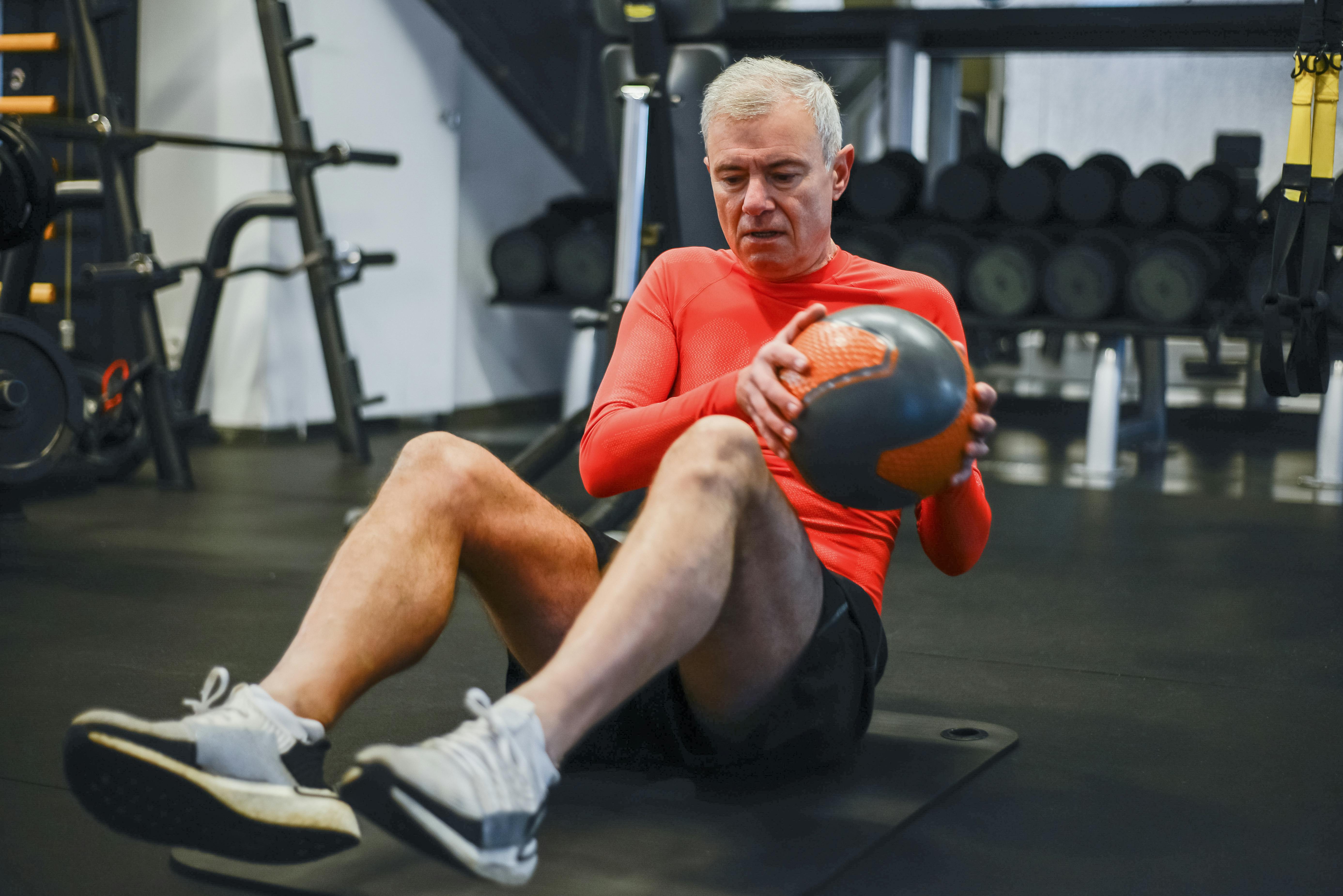
As training volume increases, joint integrity becomes the limiting factor for many individuals. Joint degeneration, cartilage thinning, and reduced synovial lubrication are common reasons people abandon fitness routines later in life.
This is where glucosamine plays a critical role.
Glucosamine is a naturally occurring amino sugar involved in the synthesis of glycosaminoglycans, essential components of cartilage and connective tissue. Supplementation has been extensively studied for joint health and mobility.
Scientific relevance:
· Glucosamine supplementation has been associated with reduced joint pain and improved function, particularly in knee and hip joints (Reginster et al., 2001; The Lancet)
· Long-term use may slow cartilage degradation in physically active and aging populations (Bruyère et al., 2016; Annals of the Rheumatic Diseases)
In a 2026 fitness model, glucosamine is less about injury management and more about preserving movement capacity.
5. The Gut–Joint Inflammation Connection
5. The Gut–Joint Inflammation Connection
Emerging research highlights a strong link between gut health and joint inflammation. Dysbiosis can promote systemic inflammation that worsens joint discomfort and cartilage stress (Scher et al., 2016; Nature Reviews Rheumatology).
Together:
· Glucosamine supports cartilage structure and joint resilience
· Kombucha supports gut-mediated immune regulation and inflammation control
Reduced inflammatory burden improves joint comfort, flexibility, and training longevity—key goals for sustainable fitness.
6. Mental Fitness, Motivation, and the Gut–Brain Axis
6. Mental Fitness, Motivation, and the Gut–Brain Axis
Consistency is the real driver of fitness success, and consistency depends heavily on mental energy and emotional stability.
Approximately 90% of serotonin is produced in the gut, and gut microbiota play a significant role in mood regulation and stress response (Cryan & Dinan, 2012; Nature Reviews Neuroscience).
Fermented foods have been associated with reduced social anxiety symptoms and improved psychological resilience (Hilimire et al., 2015; Psychiatry Research). Kombucha’s contribution to microbial balance may therefore indirectly support motivation and training adherence.
7. A Metabolically Smarter Alternative to Sugary Fitness Drinks
7. A Metabolically Smarter Alternative to Sugary Fitness Drinks
High-sugar beverages contribute to insulin spikes, inflammation, and metabolic dysfunction—issues now recognized as central barriers to long-term fitness.
Replacing sugary drinks with low-sugar fermented beverages supports glycemic stability and metabolic health (Zhang et al., 2019; Nutrients). When chosen carefully, kombucha offers hydration, flavor, and functional compounds without excessive sugar load.
8. Supporting Detoxification and Tissue Repair
8. Supporting Detoxification and Tissue Repair
Kombucha contains glucuronic acid, involved in hepatic detoxification pathways. While the liver naturally detoxifies the body, nutritional support can enhance efficiency under high stress loads (Jayabalan et al., 2014; Journal of Food Science).
Reduced toxin burden allows physiological resources to prioritize:
· Muscle repair
· Hormonal balance
· Immune recovery
9. Sustainable Fitness Requires Joint and Gut Protection
9. Sustainable Fitness Requires Joint and Gut Protection
Fitness trends change, but biological principles do not. Long-term fitness depends on protecting:
· The gut (nutrient absorption, immunity, inflammation control)
· The joints (mobility, cartilage integrity, shock absorption)
Kombucha and glucosamine support these systems daily, aligning perfectly with a longevity-first fitness philosophy.
Final Thought: Fitness in 2026 Is Built from the Inside Out
Final Thought: Fitness in 2026 Is Built from the Inside Out
The future of fitness is not about extremes—it is about supporting the systems that allow consistent movement over decades.
· Kombucha supports gut health, digestion, inflammation regulation, and mental clarity
· Glucosamine supports joint flexibility, cartilage strength, and training longevity
Backed by growing scientific evidence, they represent a smarter, more sustainable approach to fitness in 2026—one focused not just on performance, but on lasting physical freedom.